
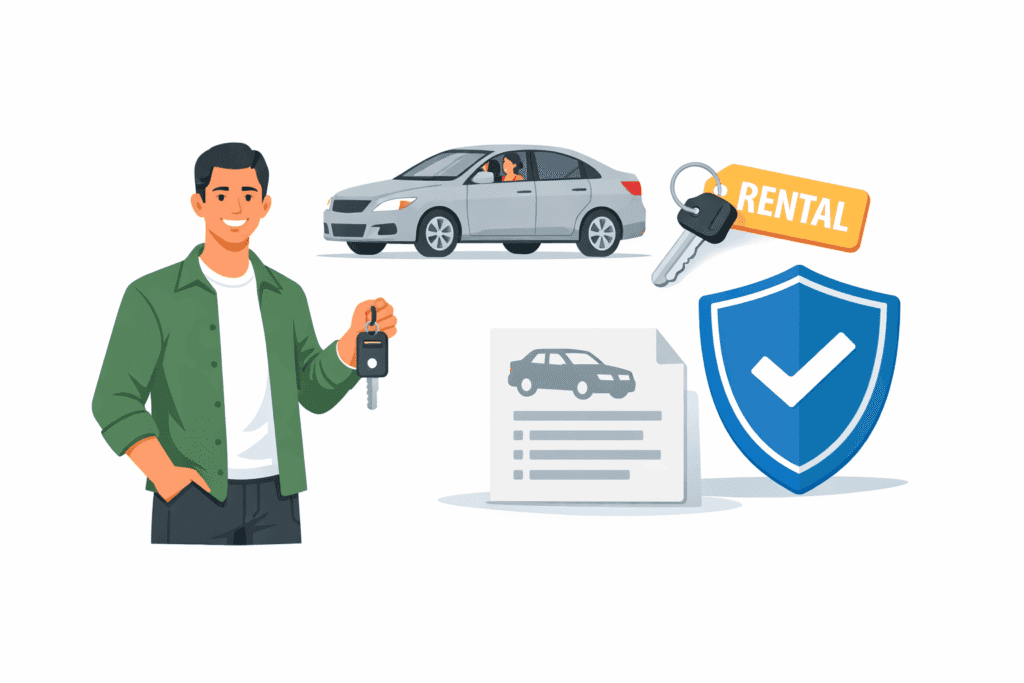
Non-owner car insurance is generally designed for someone who drives but does not own a vehicle. It can be useful for occasional borrowers, frequent renters, or drivers who need liability coverage or an insurance filing without having a car titled in their name.
The important limitation is that non-owner coverage is usually centered on the driver’s liability, not physical damage to the vehicle being used. If you are trying to understand how a loss would be handled, start with our car insurance claims process.
Quick Summary
- Non-owner car insurance is generally for a driver who does not own a vehicle.
- It is usually focused on liability rather than damage to the car being driven.
- It may help occasional borrowers, frequent renters, or drivers who need proof of coverage.
- It is generally not intended for a vehicle you own or regularly use.
- Coverage can vary by policy and state, so check which vehicles and situations are excluded.
What Is Non-Owner Car Insurance?
Non-owner car insurance is a personal auto policy for a driver who does not have a vehicle of their own. Instead of being built primarily around a specific listed vehicle, the policy generally provides certain coverage for the named driver while using a vehicle they do not own.
The National Association of Insurance Commissioners advises consumers who do not own a car to consider whether a non-owner auto insurance policy fits their situation.
NAIC consumer guidance also explains that non-owner liability policies may include liability, uninsured or underinsured motorist protection, PIP, or medical payments depending on the policy and state. They generally do not cover damage to the vehicle being driven.
Who Might Need Non-Owner Car Insurance?
Non-owner coverage can make sense in several situations. One example is someone who sold their vehicle but still occasionally borrows a friend’s or relative’s car. Another is a person who regularly rents cars for travel or work and wants their own liability coverage.
It may also be used when a driver needs proof of financial responsibility after certain driving-related events. If an SR-22 is involved, remember that the filing and the insurance policy are not the same thing. See what an SR-22 is and how it works.
Non-owner coverage is generally less appropriate when you own a vehicle or regularly drive a household vehicle. In that situation, the vehicle owner and insurer may need to determine whether you should instead be listed on the regular auto policy. See named insured vs. listed driver.
What Does Non-Owner Car Insurance Usually Cover?
The core coverage is generally liability insurance. That can include bodily injury liability and property damage liability if you cause a covered accident while driving a vehicle you do not own.
Liability coverage is primarily about injuries or property damage you cause to other people. Depending on the state and policy, a non-owner policy may also offer uninsured or underinsured motorist coverage, medical payments, or PIP.
For the broader distinction between liability and coverage for your own vehicle, see liability vs. full coverage.
What Does It Usually Not Cover?
A non-owner policy is narrower than a standard policy covering a specific vehicle. Common limitations can include:
- Physical damage to a borrowed or rented vehicle
- Collision or comprehensive coverage on the vehicle being used
- A vehicle you own or lease
- A vehicle furnished or available for your regular use
- Certain household vehicles, depending on the policy
This is especially important with rental cars. Having non-owner liability insurance does not automatically mean damage to the rental vehicle itself is covered. The rental agreement, rental-company products, credit-card benefits, and other coverage may need to be evaluated separately.
Does Non-Owner Insurance Work for Rental Cars?
It can provide useful liability protection in some rental situations, depending on the policy. The NAIC specifically notes that drivers without their own vehicle may consider a non-owner policy when renting cars.
However, liability coverage and physical damage coverage are different. A non-owner policy generally should not be assumed to pay for damage to the rental car itself. Before renting, confirm what the non-owner policy covers and what protection, if any, you have for damage to the rental vehicle.
What About Borrowing Someone Else’s Car?
Borrowed-car situations can involve more than one policy. The vehicle owner’s insurance may apply, while a non-owner policy may provide additional coverage depending on its terms. Regular use of a household vehicle can be treated differently from occasional borrowing.
What Should You Check Before Buying a Non-Owner Policy?
- Who is insured: Confirm whether the policy covers only you as the named insured.
- Liability limits: Check the bodily injury and property damage limits.
- Regular-use exclusions: Ask how household or frequently used vehicles are treated.
- Rental cars: Confirm whether the policy provides liability only or any other benefits.
- Optional coverages: Ask whether UM/UIM, PIP, or MedPay is available or required.
- SR-22 or other filings: Confirm that the insurer can provide any filing your state requires.
- Claims: Ask how the policy would interact with the vehicle owner’s insurance after an accident.
If your main concern is whether you need insurance when you do not own a vehicle, see when car insurance is required. State requirements and individual circumstances can differ.
When Might a Non-Owner Policy Not Be the Right Fit?
A non-owner policy generally is not designed to replace a regular auto policy when you own or lease a vehicle. It may also be a poor fit when a vehicle is furnished for your regular use or when you routinely drive a household member’s car.
The key question is not simply whether the vehicle is titled in your name. Ask how often you use it, where it is kept, who owns it, and how the applicable policies define covered and excluded vehicles.
Conclusion
Non-owner car insurance is generally intended for drivers who do not own a vehicle but still drive occasionally. It can provide liability protection and may also include other coverages depending on the policy and state.
Its biggest limitation is that it usually does not insure physical damage to the borrowed or rented vehicle the way collision or comprehensive coverage can. Before relying on a non-owner policy, confirm the liability limits, excluded vehicles, regular-use rules, optional coverages, and any filing requirements.
Related
FAQ
Does non-owner car insurance cover damage to the car I’m driving?
Usually not. Non-owner policies are generally focused on liability rather than collision or comprehensive coverage for the borrowed or rented vehicle.
Does non-owner insurance work for rental cars?
It may provide liability coverage in some rental situations, but that does not automatically mean physical damage to the rental vehicle is covered.
Is it a good fit if I regularly drive a family member’s car?
Often not. Regular use of a household vehicle may require being added to that vehicle’s policy or another arrangement depending on the insurer and policy.
Can a non-owner policy be used for an SR-22 filing?
In some situations, yes. Filing requirements vary by state, so confirm that the insurer and policy can satisfy the specific requirement that applies to you.