
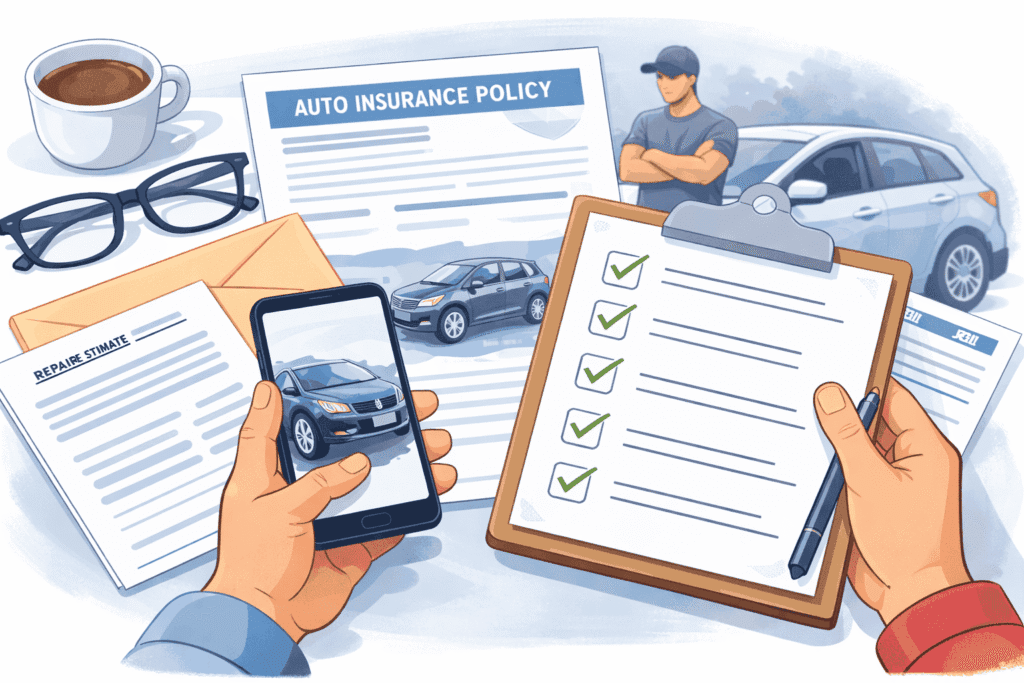
Many drivers assume there is one simple rule for this. In practice, the answer is more nuanced. Some parts of car insurance usually follow the vehicle, while other parts may depend more on who was driving, how they were using the car, and what the policy says.
If the issue involves someone in your home, review what happens if a household driver is not listed.
That is why this question often comes up after someone borrows a car, a household member drives it, or a crash happens and the policyholder is not behind the wheel. People want to know which coverage applies, who may be protected, and where the limits are.
In this guide, you will see what usually follows the car, what may follow the driver, when coverage can become more limited, and what to check before assuming a claim will be paid.
Quick Summary
- Liability coverage often follows the car first, but the driver still matters.
- Collision and comprehensive usually stay tied to the insured vehicle.
- Permission matters when someone else is driving your car.
- Household drivers and excluded drivers can create problems.
- State rules and policy wording can change how coverage applies.
- The safest approach is to read the policy before letting someone borrow the car.
What usually follows the car, and what depends on the driver?
A simple way to think about it is this: the car’s policy is often the first place coverage is checked, especially when the insured vehicle is involved in the accident.
What usually follows the car:
- Liability coverage for damage or injuries caused while the covered car is being driven with permission
- Collision coverage for damage to the covered car after a crash
- Comprehensive coverage for non-collision losses involving the covered car, such as theft, hail, or vandalism
What may depend more on the driver:
- Whether that person had permission to use the car
- Whether the driver lives in the same household and should have been listed
- Whether the driver was specifically excluded
- Whether the car was being used in a way the policy does not allow
- Whether another policy may also apply
This is one reason it helps to understand the difference between a policyholder and other listed drivers. In a related guide, see Named Insured vs Listed Driver: What’s the Difference?
When coverage usually applies
Coverage often works as expected when these things are true:
- The car is listed on the policy
- The person driving had permission
- The use was personal and normal, not excluded
- No driver exclusion applies
- The policy was active at the time of the loss
In those situations, the insurer will usually look first at the car’s policy. Liability may respond if the driver caused injury or property damage. Collision or comprehensive may respond if the covered car itself was damaged and the policy includes those coverages.
When coverage may not apply the way people expect
This is where many misunderstandings happen. Drivers hear that “insurance follows the car” and assume that settles everything. It does not.
Problems can come up when:
- The driver was excluded from coverage
- A regular household driver was never disclosed
- The vehicle was being used for business or delivery work not allowed by the policy
- The driver took the car without permission
- The loss involves coverage that depends on other policy terms or state rules
For example, if a driver is specifically excluded, that can be a major issue even though the car itself is insured. If that situation sounds familiar, read Excluded Driver Car Insurance: What It Means and How It Affects Coverage.
What to check in your policy
Before assuming coverage follows the car or the driver in your case, check these points:
- Who is listed as the named insured
- Which household drivers are disclosed
- Whether any driver is excluded
- Whether permissive use is addressed
- Which coverages the car actually has
- The liability limits and deductible
- Any exclusions for business use, delivery, or unlicensed drivers
This kind of review matters because one policy may extend protection more broadly than another. The general rule may be similar, but the details can change the outcome.
What to consider before lending your car
A practical checklist can help:
- Confirm the person has a valid license
- Make sure they truly have permission
- Consider whether they live with you and drive the car regularly
- Review whether your policy has any driver exclusions
- Check whether the car has only liability or also collision and comprehensive
- Think about the financial risk if a claim exceeds your limits
Many drivers also forget that lending a car means lending the coverage attached to that car, at least in many common situations. That is why even a quick loan can carry real consequences.
For official context, NAIC describes common auto coverages, California DOI explains policy terms and exclusions, and Texas DOI advises reviewing covered drivers and exclusions.
If the same person will use the vehicle often, ask the insurer whether that driver should be listed. That question is narrower and safer than assuming every borrowing situation is treated the same way.
Conclusion
So, does car insurance follow the car or the driver? Usually, the answer starts with the car, especially for liability, collision, and comprehensive tied to the insured vehicle. But the driver still matters a lot. Permission, household status, exclusions, and policy wording can all affect how coverage works.
The safest takeaway is not to rely on a slogan. Review the policy, understand who is covered, and check the conditions before someone else gets behind the wheel.
Related
- Named Insured vs Listed Driver: What’s the Difference?
- Permissive Use: Does Insurance Cover Someone Else Driving?
- Excluded Driver Car Insurance: What It Means and How It Affects Coverage
FAQ
Does liability insurance follow the car?
In many cases, yes. Liability coverage often follows the insured vehicle first when someone is driving it with permission. The exact result can still depend on policy language and state rules.
Does full coverage follow the driver?
Not usually as a simple rule. Collision and comprehensive are generally tied to the covered vehicle, while some other protections may depend more on the driver and the policy details.
What if someone borrows my car and crashes it?
The policy on your car will often be the first one reviewed if that person had permission. After that, the claim may depend on the type of loss, the limits, and whether any exclusions apply.