What is UMPD coverage? Uninsured motorist property damage may help pay for damage to your vehicle when an uninsured driver causes an accident. It is separate from uninsured motorist bodily injury coverage, which addresses injuries rather than vehicle damage.
UMPD availability, limits, deductibles, fault requirements, and hit-and-run rules vary by state and policy. It may also overlap with collision coverage without working exactly the same way. For the broader framework, review what car insurance covers.
Quick Summary
- UMPD may help pay for vehicle damage caused by an at-fault uninsured driver.
- It generally addresses property damage, not injuries.
- Availability, limits, deductibles, and claim requirements vary by state and policy.
- Collision coverage may also pay for vehicle damage but works under different conditions.
- Hit-and-run coverage and driver-identification requirements are not the same in every state.
What UMPD coverage may pay for
UMPD is designed primarily for vehicle damage caused by an uninsured driver who is responsible for the accident. Depending on the state and policy, it may help with repair costs or a total-loss settlement up to the applicable coverage limit.
The National Association of Insurance Commissioners explains that uninsured motorist coverage may provide protection for injury or property damage when the responsible driver has no liability insurance or leaves the scene. The exact protection available depends on state requirements and the policy. See the NAIC overview of uninsured motorist protection.
- UMPD: may address damage to the insured vehicle or other covered property.
- UMBI: may address bodily injuries caused by an uninsured motorist.
- Collision: may address damage to your vehicle after a collision without requiring the other driver to be uninsured.
For the broader uninsured-driver framework, review uninsured motorist coverage.
How UMPD works in practice
In general, a UMPD claim follows a simple logic:
- An accident happens and another driver appears to be at fault.
- You learn that driver does not have valid liability insurance.
- Your car or other covered property has damage.
- You report the claim and the insurer reviews fault, coverage, and policy terms.
- If the loss fits the policy, UMPD may help pay for covered damage up to the applicable limit.
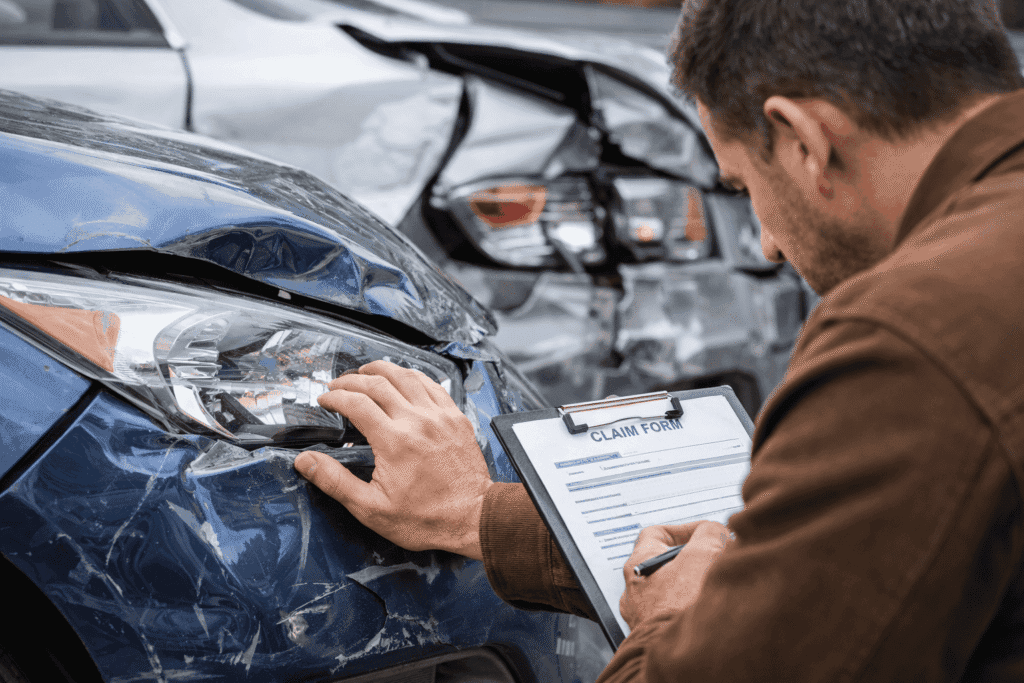
That sounds simple, but real claims often involve extra questions. The insurer may need to confirm that the other driver was uninsured. It may also need enough evidence that the other driver caused the damage. In some cases, a police report, photos, witness statements, or repair estimates can matter. If you are dealing with that situation now, see what happens if an uninsured driver hits you, including what to document and which coverage paths may apply.
UMPD also does not always replace collision coverage. If you already carry collision, that may be another path for repairing the car. The difference is that collision usually applies to your vehicle damage regardless of whether the other driver had insurance, while UMPD is tied to the other driver being uninsured and at fault. For a direct side-by-side comparison, see collision vs UMPD, including how fault, deductibles, limits, and hit-and-run rules can differ.
State-specific rules can materially change the result. For example, the California Department of Insurance explains that its UMPD coverage applies when an identified uninsured driver is at fault and notes that drivers with collision coverage may already have another path for vehicle damage. This is a California rule, not a nationwide standard. See the department’s automobile insurance guide.
When UMPD may apply and when it may not
UMPD may apply in situations like these:
- An uninsured driver rear-ends your car.
- An uninsured driver hits your parked vehicle.
- An uninsured driver causes a crash and your car needs repair.
- Your policy includes UMPD and the loss fits your state’s rules and your policy terms.
UMPD may not apply, or may apply only in a limited way, in situations like these:
- Your state does not offer UMPD in the way you expect.
- Your policy does not include UMPD.
- The insurer cannot confirm that the other driver was uninsured.
- The facts do not clearly show the other driver was at fault.
- The claim involves a hit-and-run, and your state or policy treats that situation differently.
- The damage is better handled under another coverage, such as collision.
UMPD should also be distinguished from underinsured motorist protection. An uninsured driver has no applicable liability insurance, while an underinsured driver has coverage that may be insufficient for the loss. Review uninsured vs underinsured motorist coverage for that distinction.
Hit-and-run treatment is especially state-specific. Some jurisdictions include certain unidentified-driver claims under uninsured motorist protection, while others impose identification, contact, reporting, or deductible requirements. Check the policy and applicable state guidance rather than assuming every hit-and-run qualifies.
What to check in your policy before relying on UMPD
Before assuming you have UMPD, review the policy carefully. Look for these items:
- Whether UMPD is listed on the declarations page.
- The coverage limit for property damage.
- Whether a deductible applies.
- Whether the policy says anything specific about hit-and-run claims.
- How the policy defines an uninsured motor vehicle.
- Whether your state uses different rules for uninsured motorist property damage.
Start with the car insurance declarations page to confirm whether UMPD appears, its limit, and any deductible. Then compare the UMPD language with collision coverage, the definition of an uninsured motor vehicle, and any hit-and-run conditions in the full policy.
If an accident occurs, document the other driver, insurance information, vehicle damage, witnesses, and police report details. This guide to the car insurance claims process explains the broader review steps.
Conclusion
UMPD may help pay for vehicle damage caused by an at-fault uninsured driver, but its availability and operation depend heavily on state law and policy language. Confirm the coverage limit, deductible, fault requirements, definition of an uninsured vehicle, and treatment of hit-and-run claims before relying on it. Collision coverage may provide a separate route for vehicle damage.
Related
- What Does Car Insurance Cover?
- Uninsured Motorist Coverage
- Uninsured vs Underinsured Motorist Coverage
FAQ
Does UMPD coverage pay for injuries?
Generally no. UMPD addresses property damage. Injuries may be handled under uninsured motorist bodily injury coverage or another applicable protection.
Is UMPD the same as collision coverage?
No. Collision coverage may apply to vehicle damage after a collision without requiring the other driver to be uninsured. UMPD generally requires an uninsured at-fault driver and compliance with state and policy conditions.
Is UMPD available in every state?
No. Availability, requirements, limits, deductibles, and the relationship with collision coverage vary by state.
Can UMPD cover a parked car hit by an uninsured driver?
It may when the policy includes UMPD, the responsible driver is uninsured, and the claim meets the policy and state requirements.
Does UMPD cover hit-and-run damage?
Not automatically. Some states or policies cover certain hit-and-run losses, while others require the driver to be identified or impose additional reporting and claim conditions.