
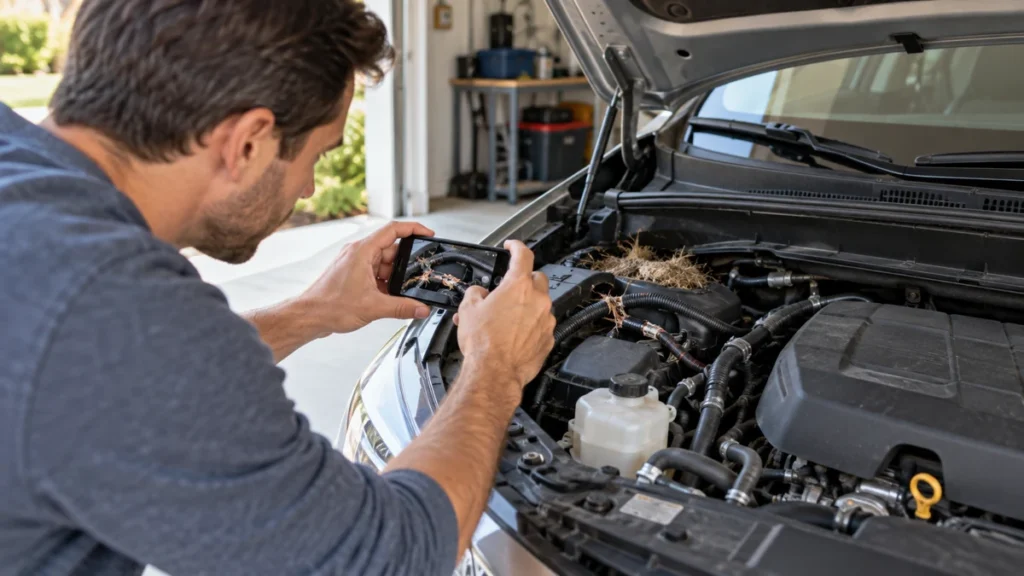
Does car insurance cover rodent damage? It may if you have comprehensive coverage and the damage qualifies as a covered non-collision loss. Rodents can chew wiring, hoses, insulation, or other components, but coverage still depends on the policy, deductible, cause of damage, and whether an exclusion applies.
The key distinction is between sudden physical damage caused by an animal and problems treated as maintenance, deterioration, mechanical breakdown, or another excluded condition. If you discover chewed wiring or nesting material under the hood, document the damage before repairs or cleanup change the scene.
For the broader coverage concept, see how comprehensive car insurance works. Comprehensive coverage is generally the part of an auto policy used for many non-collision losses involving theft, weather, vandalism, falling objects, and animal-related damage.
Quick Summary
- Rodent damage may be covered under comprehensive insurance, depending on the policy and cause of loss.
- Chewed wiring, hoses, insulation, or other direct physical damage may support a claim.
- Maintenance, wear, mechanical breakdown, or long-term deterioration may be treated differently.
- Your comprehensive deductible usually applies to a covered claim.
- Photos, repair estimates, diagnostic reports, and evidence of animal activity can help document the loss.
When Does Car Insurance Cover Rodent Damage?
Comprehensive coverage is the first part of the policy to check when an animal damages a parked vehicle without a collision. The National Association of Insurance Commissioners explains that comprehensive coverage can pay for non-collision damage such as theft, hail, flood, fire, and impact by an animal.
A common example is a rodent entering the engine compartment while the car is parked and chewing through electrical wiring. If the policy treats that direct physical damage as a covered comprehensive loss and no exclusion applies, the insurer may pay the eligible repair cost after the deductible.
That does not mean every rodent-related problem is automatically covered. The actual policy wording and claim facts control.
What Types of Rodent Damage Can Happen?
Modern vehicles contain wiring, insulation, plastic components, hoses, sound-deadening materials, sensors, and connectors that can be damaged by mice, rats, squirrels, or other small animals. Some of the most common problems include:
- Chewed electrical wiring or wiring harnesses
- Damaged sensor or camera wiring
- Chewed hoses or plastic lines
- Torn hood insulation or interior insulation
- Nesting material around the engine, air intake, or cabin filter
- Damage to connectors, protective coverings, or other components
The repair cost can vary widely depending on which components were damaged and how difficult they are to access. A small visible wire can sometimes connect to a much larger harness or system.
When Might Rodent Damage Not Be Covered?
Comprehensive insurance does not replace maintenance coverage. The California Department of Insurance explains that comprehensive can cover non-collision damage such as fire, theft, vandalism, windstorm, flood, and falling objects, while mechanical breakdown, normal wear and tear, and maintenance are not covered by that protection.
That distinction can matter if the insurer believes the problem developed gradually, was caused by deterioration, or is unrelated to a covered physical-damage event. An old wiring problem, corrosion, ordinary component failure, or lack of maintenance is different from fresh physical evidence showing that an animal chewed through a wire.
If there is disagreement about the cause, ask the repair shop to document what it found rather than relying only on a verbal description.
Does the Comprehensive Deductible Apply?
In many comprehensive claims, the applicable comprehensive deductible is subtracted from the covered repair amount before the insurer pays the remaining eligible cost.
For example, if covered rodent damage costs $1,800 to repair and your comprehensive deductible is $500, the deductible would reduce the insurance payment. If the repair cost is below the deductible, the claim may result in little or no payment.
CPA’s guide to how a car insurance deductible works explains that calculation in more detail.
What Evidence Can Help a Rodent Damage Claim?
Good documentation can make the cause easier to evaluate. If it is safe to do so, take photos before a mechanic removes nesting material or damaged components.
- Wide photos of the engine compartment or affected area
- Close photos of chewed wires, hoses, insulation, or connectors
- Photos of nesting material, droppings, or other visible animal evidence
- A written repair estimate
- A technician’s diagnostic notes describing the cause of the failure
- Invoices and photos of replaced parts if repairs begin quickly
These records can help distinguish direct animal damage from an unrelated mechanical problem. For the broader claim process, see how car insurance claims are reviewed.
Should You File a Claim for Rodent Damage?
Compare the estimated repair cost with your deductible before deciding. A claim may make more practical sense when the damage is extensive, involves a wiring harness, multiple systems, or expensive diagnostics.
If the repair is minor and clearly below the deductible, insurance may not provide a payment. You should still have safety-related electrical or mechanical damage inspected before deciding to leave it unrepaired.
Also ask whether the first estimate is complete. Electrical damage can sometimes require additional diagnosis after the obvious chewed section is repaired.
Can Rodent Damage Lead to a Total Loss?
It is possible, but it would generally require extensive damage relative to the vehicle’s value. Widespread wiring-harness damage, module damage, contamination, or difficult-to-access components can make repairs expensive.
If the repair estimate becomes high enough, the insurer may compare the repair cost with the vehicle’s value and applicable state rules. That is the same broader process explained in CPA’s guide to total loss in car insurance.
What to Do After Finding Rodent Damage
- Do not ignore warning lights or electrical problems. Damage to wiring can affect safety or vehicle operation.
- Photograph the damage. Document visible chewing, nesting material, and the surrounding area.
- Get a written diagnosis. Ask the repair shop to state what failed and what appears to have caused it.
- Check your comprehensive deductible. Compare it with the estimated repair cost.
- Contact the insurer if you may file a claim. Ask what photos, estimates, or inspections it needs.
- Keep the records. Save estimates, invoices, diagnostic notes, and repair photos.
Conclusion
Car insurance may cover rodent damage when comprehensive coverage applies and the damage is treated as a covered direct physical loss. Chewed wiring, hoses, insulation, and other animal-related damage can qualify, but policy exclusions, maintenance issues, and the deductible still matter.
Document the damage before cleanup or repairs, get a written diagnosis, confirm your comprehensive deductible, and compare the repair cost with the amount insurance may actually pay.
Related
- What Is Comprehensive Car Insurance?
- What Is a Car Insurance Deductible?
- Collision vs. Comprehensive Insurance
FAQ
Does comprehensive insurance cover mice chewing car wires?
It may. Comprehensive coverage can apply to direct animal-related physical damage, but the policy wording, cause of loss, exclusions, and deductible still matter.
Does insurance cover a rodent nest in the engine?
The nest itself may not create a large covered loss, but direct physical damage caused by the animal may be evaluated under comprehensive coverage.
Do I have to pay a deductible for rodent damage?
Usually, a comprehensive deductible applies when the claim is covered under comprehensive insurance.
Should I repair chewed wiring before contacting insurance?
If immediate repairs are necessary for safety, document the damage first when possible and keep the damaged parts, photos, diagnostic notes, and invoices. Ask the insurer what documentation it needs.