
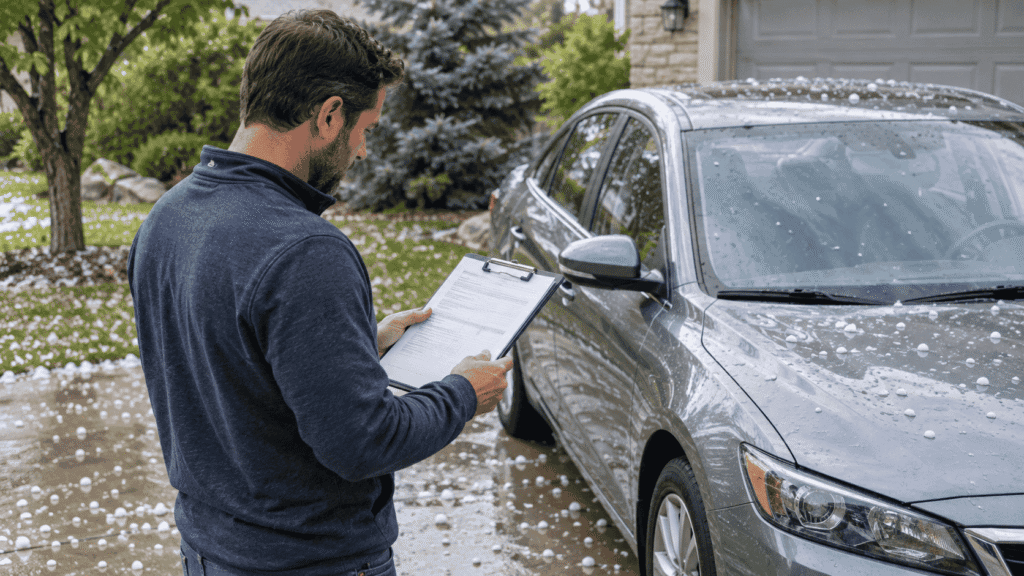
What is comprehensive car insurance? It is optional physical damage coverage that may help pay for damage to your own vehicle from events other than a regular collision, such as theft, vandalism, fire, hail, flood, falling objects, glass damage, or contact with an animal.
The name can be misleading. Comprehensive does not mean every possible problem with a car is covered. It usually means a specific part of an auto policy that handles many non-collision losses, subject to the policy language, exclusions, limits, and deductible.
This guide explains what comprehensive coverage usually means, what it often covers, what it does not cover, and how the deductible affects a claim.
Quick Summary
- Comprehensive coverage usually applies to non-collision damage to your own vehicle.
- Common examples include theft, vandalism, fire, hail, flood, falling objects, glass damage, and animal strikes.
- It is usually optional under state law, but lenders or leasing companies may require it.
- A deductible often applies before the insurer pays a covered comprehensive claim.
- It does not normally cover routine maintenance, wear and tear, mechanical breakdown, or crash damage with another vehicle.
What Comprehensive Coverage Means
Comprehensive car insurance is one of the main coverages that can protect your own vehicle. Liability coverage is about damage or injuries you cause to other people. Comprehensive is different: it focuses on your car when a covered non-collision event damages it or the car is stolen.
The NAIC auto insurance consumer guide describes comprehensive as coverage for auto damage from causes such as fire, severe weather, vandalism, floods, theft, and broken glass. The Idaho Department of Insurance gives similar examples and notes that optional coverages, limits, and deductibles can vary by insurer.
If you are comparing this coverage with collision, CPA’s guide to collision and comprehensive coverage explains the side-by-side difference. This article stays focused on comprehensive itself.
What Comprehensive Insurance Usually Covers
Comprehensive coverage usually applies when the damage did not come from your vehicle colliding with another car or object. Common examples include:
- The car is stolen and not recovered.
- Someone breaks a window, keys the paint, or damages the car during a theft or vandalism claim.
- Hail dents the roof, hood, or trunk.
- Fire damages the vehicle.
- A branch, tree limb, or other falling object hits the car.
- Floodwater or certain weather events damage the vehicle.
- You hit a deer or another animal.
- Glass breaks in a covered non-collision event, depending on the policy.
Animal-related damage is not limited to collisions with deer or other wildlife. Rodents can also damage wiring, hoses, insulation, and other vehicle components while a car is parked. CPA’s guide to whether car insurance covers rodent damage explains when comprehensive coverage may apply and what evidence can help support a claim.
Some states or policies treat glass claims differently. If the main issue is a cracked windshield, CPA’s separate guide to windshield replacement may be more useful.
What Comprehensive Does Not Usually Cover
Comprehensive has broad examples, but it still has boundaries. It usually does not cover damage from a crash with another vehicle, backing into a pole, hitting a guardrail, or rolling over. Those are collision-type situations.
It also generally does not cover routine maintenance, normal wear and tear, mechanical breakdown by itself, damage intentionally caused by you or another insured person, or personal items stolen from the car. A stolen laptop or phone may involve a homeowners or renters policy instead of the auto policy. The New York Department of Financial Services also reminds consumers that comprehensive payments generally do not exceed the car’s actual cash value at the time of loss.
How The Deductible Works
Many comprehensive claims have a deductible. The deductible is the part of a covered loss you are responsible for before the policy pays. If a storm causes covered damage and your comprehensive deductible is $500, that $500 is subtracted from the covered claim payment. The same basic idea can apply after vehicle theft; CPA’s guide to whether you pay a deductible if your car is stolen explains how that amount is usually applied to an unrecovered-car settlement or a recovered-vehicle claim.
A higher deductible may reduce premium, but it can make small claims less practical. A lower deductible can reduce the amount due during a claim, but it may cost more over time. If that tradeoff is confusing, start with CPA’s guide to the car insurance deductible.
When Comprehensive May Matter Most
Comprehensive can matter most when the car still has enough value that theft or major weather damage would be hard to absorb out of pocket. It can also matter if the vehicle is kept in an area with theft exposure, hail, flooding, falling trees, or frequent animal crossings. If you are deciding whether to keep or add the coverage, see whether comprehensive car insurance is worth it based on vehicle value, deductible, premium, financing, and your ability to absorb a loss.
If the car is financed or leased, the decision may not be fully optional. The Washington Office of the Insurance Commissioner explains that lenders commonly require comprehensive and collision coverage on financed or leased vehicles.
That requirement matters because removing physical damage coverage before the loan or lease ends can violate the financing agreement, even when comprehensive insurance itself is not required by state law.
For example, a paid-off older car parked in a garage may raise a different question than a newer financed vehicle kept outdoors in a hail-prone area. If hail is the specific concern, read CPA’s guide to whether insurance may cover hail damage.
Conclusion
Comprehensive car insurance is not a promise that everything is covered. It is usually optional coverage for non-collision damage to your own vehicle, including many theft, weather, fire, vandalism, glass, falling-object, and animal-related losses.
The practical next step is to check your declarations page for comprehensive coverage, the deductible, any glass rules, exclusions, and whether a lender or lease requires the coverage.
Related
- Collision vs Comprehensive Insurance
- What Does Car Insurance Cover?
- What Is a Car Insurance Deductible?
FAQ
Is comprehensive car insurance required by law?
Usually no. State law typically focuses on liability requirements, but a lender or leasing company may require comprehensive coverage.
Does comprehensive cover hitting a deer?
Often yes, animal strikes are commonly treated as comprehensive claims, but the policy wording and deductible still matter.
Does comprehensive cover my belongings inside the car?
Usually not under the auto policy. Personal belongings may involve a renters or homeowners policy instead.
Does comprehensive cover mechanical failure?
Usually no, unless a covered event caused the mechanical damage. Wear, age, and maintenance problems are normally different issues.