
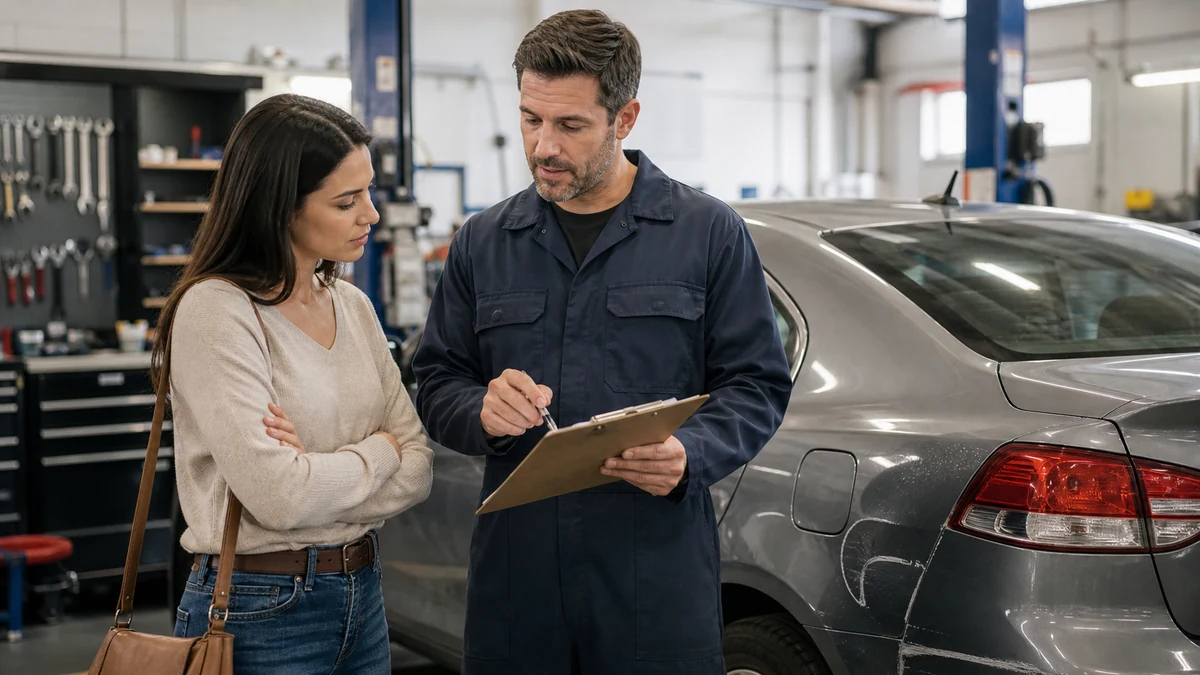
You can often choose your own repair shop after a car insurance claim, but the answer can depend on state law, the claim type, your policy, and the repair cost. An insurer may recommend a preferred shop, but a recommendation is not always the same as a requirement.
The practical issue is what changes when you use a shop outside the insurer’s network. Communication, estimates, supplements, repair guarantees, and disputed costs can all become more important. For the broader workflow, see our guide to the car insurance claims process.
Quick Summary
- Many drivers can request a repair shop they choose, but state rules and claim type matter.
- A preferred repair network is not automatically the only repair option.
- Your insurer may still review labor rates, parts, repair procedures, and supplemental estimates.
- Hidden damage may require a supplement before additional work is approved.
- Ask who pays any unapproved difference before authorizing extra work.
Can You Choose Your Own Repair Shop After an Insurance Claim?
In many situations, yes. The exact right to choose a repair facility is shaped by state law, policy language, and the type of claim.
For example, the California Department of Insurance tells California consumers they can select a repair shop and explains that additional damage found during repairs may require more communication with the insurer. That is a California example, not a national rule.
What Is a Preferred Repair Network?
A direct repair program or preferred repair network is a group of shops that work with an insurer under established procedures. The insurer may recommend these shops because estimates, photos, supplements, and repair status can be easier to coordinate.
The Idaho Department of Insurance explains that insurers may have preferred shops and that a consumer can choose another repair facility, while the insurer may still evaluate the reasonable cost of repairs. State rules can differ.
Recommendation vs. Requirement
An insurer can recommend a shop and explain the benefits of its network. That is different from saying you must use a particular shop in every situation. Rules intended to prevent improper steering vary by state.
North Carolina provides one state-specific example. North Carolina law addresses repair-shop selection and insurer conduct. Do not treat that statute as a nationwide rule; use your own state insurance department for local requirements.
What Changes When You Use Your Own Shop?
Using your own shop should not automatically eliminate coverage for covered damage, but the claim may require more coordination. The insurer may inspect the vehicle, compare estimates, review photos, and approve supplements before additional work continues. If you are at the beginning of the repair process, see how a car inspection before repairs may work and what to document before permanent work begins.
You may also give up a network-specific guarantee offered by the insurer. Your chosen shop may provide its own warranty, so ask who is responsible for later corrections involving paint, parts, labor, or calibration.
What If the Shop Estimate Is Higher?
A shop may write an estimate that is higher than the insurer’s estimate. Differences can involve hidden damage, labor rates, repair procedures, parts, scans, calibrations, or documentation. Our guide to what happens when a repair shop estimate is higher than the insurance estimate explains that issue in more detail.
If teardown reveals hidden damage, the shop may submit a supplement. The insurer may approve it, request more information, reinspect the vehicle, or question individual lines. Do not assume a higher estimate means the insurer must automatically pay every difference.
Labor Rates, Parts, and Repair Procedures
Repair estimates can differ because one shop uses a higher labor rate, requests a manufacturer procedure, or proposes a different part type. OEM, aftermarket, recycled, and alternative parts are not interchangeable labels, and there is no single national rule requiring one type in every claim. CPA’s guide to whether car insurance can require aftermarket parts explains how policy language, state rules, vehicle age, fit, calibration, and repair concerns can affect that decision.
The Maine Bureau of Insurance discusses repair-shop choice, supplemental claims, and parts as state-specific auto claim issues. The broader takeaway is to ask what part type, procedure, and labor rate each estimate assumes before authorizing repairs.
Who Pays an Unapproved Difference?
Before authorizing extra work, ask who will be responsible if the insurer does not approve the full amount. A covered supplement may be paid under the claim, while upgrades, unrelated prior damage, disputed labor rates, or unauthorized work may leave some cost with you.
Ask the shop and insurer to identify disputed lines in writing. That is especially important before work begins that cannot easily be reversed.
First-Party and Third-Party Claims
Repair-shop choice can feel different depending on whether you are using your own policy or making a claim against another driver’s insurer. Our guide to first-party vs. third-party car insurance claims explains that distinction.
If the repair becomes delayed or disputed, keep photos, estimates, invoices, messages, and supplement notes. Those are the same types of records discussed in our guide to documents that support a car insurance claim.
Questions to Ask Before Authorizing Repairs
- Has the insurer inspected or approved the current repair estimate?
- Which labor rates, parts, or procedures are disputed?
- Will the shop wait for supplement approval before doing extra work?
- Who guarantees the repair if you use this shop?
- Could rental, towing, or storage fees after a car accident increase if the repair is delayed?
- Who pays any amount the insurer does not approve?
What If You Feel Pressured?
If you believe the insurer is pressuring you to use a particular facility, ask for its position in writing. Clarify whether the disagreement is actually about shop choice, estimate amount, parts, labor rate, or missing documentation.
If the issue remains unresolved, check your state insurance department guidance or review how to dispute an insurance claim decision.
Conclusion
You may be able to choose your own repair shop after a car insurance claim, but choosing the shop does not automatically settle every question about price, parts, procedures, supplements, or warranties.
Before repairs continue, confirm your state rules, claim type, estimate assumptions, supplement process, repair warranty, and responsibility for any amount the insurer does not approve. Good documentation can prevent a shop-choice decision from becoming a payment dispute.
Related
- Repair Shop Estimate Higher Than Insurance Estimate
- Documents That Support a Car Insurance Claim
- Dispute Insurance Claim Decision
Frequently Asked Questions
Can an insurance company make you use a specific repair shop?
It depends on state law, claim type, and policy language. An insurer may recommend a shop, but a recommendation and a legal requirement are not the same thing.
What happens if your shop charges more than the insurer approves?
The shop can provide documentation or submit a supplement. If the insurer still does not approve the difference, ask who is responsible before authorizing the work.
Does choosing your own shop affect the claim?
It can affect communication, inspections, repair guarantees, supplement review, and timing. It should not automatically eliminate coverage for otherwise covered damage.
Can you request OEM parts?
Yes, you can ask. Whether the insurer pays for OEM parts depends on policy language, state rules, vehicle facts, and repair documentation.
What should you do if you feel pressured?
Ask for the insurer’s position in writing, identify the specific disputed issue, and check your state insurance department guidance if necessary.